
What Makes a Great Dental Insurance Plan?

Understanding PPO Vs. HMO Dental Insurance Plans

Smart Home Devices That Earn Home Insurance Discounts

New Roof, Lower Premiums: Real Ways To Save On Home Insurance
Orthodontics Coverage: Braces And Invisalign Insurance Guide
Thinking about braces or aligners this year?
Good move to sanity checks benefits first. Orthodontic coverage exists, but the details decide what you get.
Here is the no-fluff guide to orthodontics insurance coverage in 2025, including how braces and Invisalign insurance typically work, what changes for adults vs kids, and how to lock down your real payout.
What Most Dental Plans Cover In 2025
Many dental plans treat orthodontics as a “major service.” That usually means a percentage payment after any deductible, plus caps that limit how much the plan pays. Some plans still exclude orthodontics entirely, so you must verify the contract. The ADA’s benefit primer shows common structures, including percentage payments and separate ortho lifetime maximums.
Braces Vs Invisalign Coverage
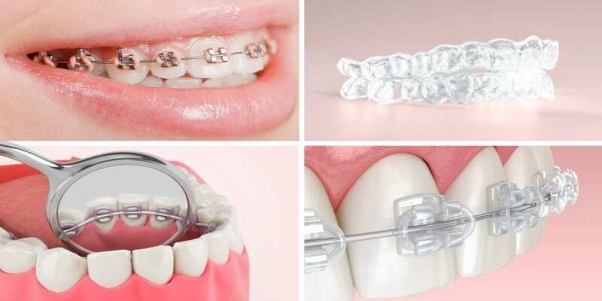
Plans that cover orthodontics typically cover the treatment, not a specific brand. Whether you choose metal braces, ceramic, or clear aligners, the plan pays its percentage up to your limits and rules. The AAO notes that dental insurance often covers part of orthodontic fees, frequently with a lifetime cap. Marketing sites for aligner brands also say coverage depends on your plan’s orthodontic benefit, not the brand name.
Adults Vs Kids: What Actually Changes
Kids on the ACA Marketplace: Pediatric dental must be available on the Exchange. Adult dental is optional. Orthodontic coverage for children can be offered within or alongside medical plans, while adults purchase separate dental coverage, which varies by provider.
Medically necessary cases: The AAO maintains a definition and criteria for medically necessary orthodontic care. Some plans use these criteria when deciding if enhanced benefits apply. Always ask how your plan defines “medically necessary.”
The Rules That Control Your Payout
Read these lines in your Summary of Benefits before you schedule:
Coinsurance for primary services. Typical pattern: the plan pays a percentage of the allowed fee for the banding fee, monthly treatment, and retention, subject to caps. The ADA provides examples with 50 per cent orthodontic coverage under a separate lifetime maximum.
Lifetime maximum. Many plans cap orthodontic benefits at a fixed dollar amount for life. Once you hit it, the rest is on you. AAO patient FAQs call out lifetime caps as common.
Waiting period. Individual plans may require months of enrollment before ortho benefits start. Check the waiting period for primary services.
Alternate benefit rule. Some plans pay as if you chose a less costly option, such as a bridge for tooth movement or a different appliance. Ask your plan to disclose any "least expensive alternative treatment" language in writing.
Network rules. PPOs let you go out of network, which incurs higher costs. DHMOs require in-network care with set copays. The ADA explains these plan types and how they affect payment.
How Much Does Insurance Cover For Invisalign Or Braces
Short version: the smaller of your coinsurance amount or your remaining maximum, after deductibles and reductions. Example math you can copy:
Allowed fee for comprehensive treatment: 5,500 dollars
Coinsurance for primary services: 50 per cent
Lifetime ortho max: 1,500 dollars
The plan's 50 per cent would be 2,750 dollars, but the check stops at 1,500 dollars because of the lifetime cap. That cap behaviour mirrors the benefit designs the ADA publishes and what AAO tells patients to expect.
Adults Asking, "Does Dental Insurance Cover Invisalign In 2025?"
Sometimes, yes. Coverage depends on whether your plan includes adult orthodontic benefits, the percentage for primary services, and your remaining lifetime maximum. Official Marketplace guidance confirms adult dental is not an essential health benefit, so adult coverage varies by plan.
For Medically Complex Cases Or Trauma
Do not count on medical insurance to pay for routine orthodontics. Medicare and most medical plans exclude standard braces and aligners. There are narrow medical exceptions when dental services are integral to a covered medical procedure, but those require strict documentation.
Braces Vs Invisalign: Choose Based On Total Cost, Not Labels
Get the fee breakdown for both options.
Apply your coinsurance and caps.
Add supplies, retainer costs, and potential refinements.
If totals are close, pick the appliance that best fits lifestyle and compliance. Coverage follows the contract rules either way. AAO resources emphasise that coverage varies and patients should confirm specifics before choosing a modality.
Pro Tips To Save More In 2025
Use HSA or FSA funds if available. The AAO notes these accounts commonly cover orthodontic treatment.
Check age limits for kids. Some plans limit benefits after a certain age; verify before starting.
Keep every estimate and EOB. If a claim is reduced unexpectedly, you can ask for a review with documentation. The AAO steers patients to contact their insurer for exact percentages, caps, and age rules ahead of time.
Make Your Benefits Work For You
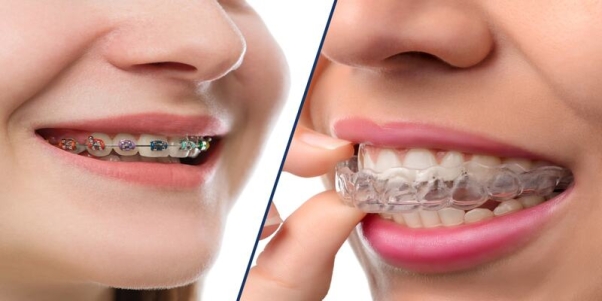
Pick the plan and timing that wins on real math. Confirm coinsurance, lifetime maximums, any waiting period, and network rules before you commit. Ask for a pre-treatment estimate in writing, then stage care if it unlocks more coverage. With that prep, your orthodontic benefits will do the most for your family in 2025.
Sources
[1] American Dental Association, “Dental Benefits: An Introduction”
[2] American Association of Orthodontists
[3] HealthCare.gov